
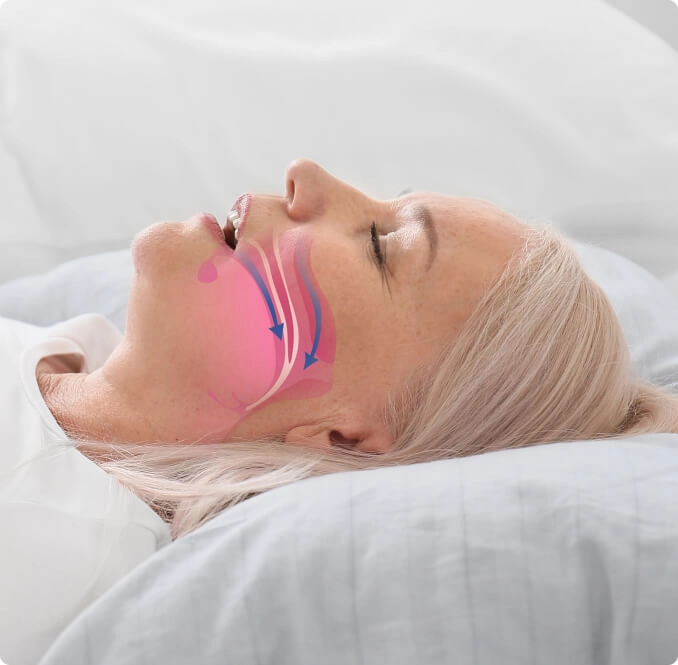
Obstructive Sleep Apnea (OSA) in Singapore

What Is Obstructive Sleep Apnea (OSA)?

Obstructive sleep apnea (OSA) is a sleep disorder characterised by repeated episodes of partial or complete upper airway obstruction during sleep. These pauses in breathing last for 10 seconds or more and can occur multiple times an hour during sleep. OSA leads to low oxygen levels in the blood and frequent waking up at night.

In Singapore, 1 in 3 adults has moderate-to-severe OSA. Factors like increasing obesity, sedentary lifestyles and common Asian facial structures (smaller jaw or narrower airways than other ethnicities) contribute to the high numbers.

If you or your partner notice loud snoring with pauses, gasping or choking or if you feel excessively sleepy during the day, especially while driving, seek assessment promptly. Untreated OSA increases accidents and cardiovascular disease. Thankfully, there are treatment options for OSA. There is no single cure for obstructive sleep apnea, but a specialist can help you with certain things.

Different Types of Sleep Apnea

Sleep apnea is a sleep disorder characterised by repeated interruptions in breathing during sleep. There are three main types of sleep apnea, differentiated by their cause:

Obstructive Sleep Apnea

Obstructive sleep apnea (OSA)  is the most common type of sleep apnea, in which the muscles at the back of the throat relax too much, blocking the airway. Symptoms include loud snoring, gasping for air during sleep and daytime fatigue.

Central sleep apnea (CSA) involves the brain not sending proper signals to the muscles that control breathing. It is more common in individuals with certain medical conditions, like a history of heart failure or strokes. This results in periodic lapses in breathing effort.

Complex Sleep Apnea

Also known as treatment-emergent central sleep apnea, complex sleep apnea (CompSA) occurs when someone being treated for OSA develops central sleep apnea symptoms. It requires adjustments in treatment to address both obstructive and central components of the disease.

Barrie Tan ENT Head & Neck Surgery provides comprehensive care for snoring and all types of sleep apnea.

If you believe you or a loved one has sleep apnea, contact us today so that we can start working on a plan towards better sleep.

What Are Common Symptoms of OSA?

The common obstructive sleep apnea symptoms are:

Gasping or Choking During Sleep
Waking up suddenly, gasping for air due to a blocked airway.

Restless Sleep
Frequent tossing and turning, and a feeling of non-restorative sleep

Sudden Awakenings
Frequent awakenings due to breathing difficulties

Morning Headaches
Headaches upon waking due to low oxygen levels during sleep

Excessive Daytime Sleepiness
Persistent fatigue and drowsiness throughout the day

Difficulty Concentrating
Problems with focus, memory and cognitive function due to poor sleep quality

Irritability and Mood Changes
Increased irritability, mood swings and even symptoms of depression or anxiety

Loud Snoring
One of the most apparent symptoms

Decreased Libido
Reduced interest in sexual activities due to fatigue and hormonal imbalances

Dry Mouth or Sore Throat Upon Waking
Resulting from mouth-breathing during sleep

Night Urination & Sweats
Frequent night urination (nocturia) and night sweats are also common and may indicate OSA in adults who wake repeatedly

Daytime Sleepiness
Excessive daytime sleepiness that affects driving or work performance should be reviewed early

Risks & Complications of OSA

Obstructive sleep apnea is more than just disrupted sleep and loud snoring. If left untreated, it can lead to serious health complications, including:

Coronary Artery Disease
Increased risk of heart disease due to prolonged periods of low oxygen levels during sleep

Complications with Surgery
Increased risk of complications during and after surgery due to anaesthesia-related breathing issues

Type 2 Diabetes
Higher likelihood of developing insulin resistance and type 2 diabetes

High Blood Pressure
Frequent episodes of low oxygen may lead to hypertension

Heart Attacks
Increased risk of myocardial infarction due to chronic stress on the cardiovascular system

Depression
Mood disturbances and depressive symptoms due to poor sleep quality and chronic fatigue

Daytime Fatigue
Persistent tiredness and lack of energy due to disrupted sleep, impacting one’s health, daily functioning and quality of life

Stroke
Increased risk of stroke due to fluctuations in blood pressure and oxygen levels

Heart Failure
OSA can worsen existing heart conditions and contribute to heart failure

Liver Problems
Potential for liver dysfunction and fatty liver disease

Arrhythmias
Increased risk of atrial fibrillation and resistant hypertension

What Are the Possible Causes of OSA?

Knowing the causes of obstructive sleep apnea can help one identify risk factors and take preventive measures where possible. Common causes include:
weight-and-obesity icon

Weight & Obesity

Excess weight, especially around the neck, can add pressure on the airway, making it more likely to collapse during sleep.

Obstructed Airway Passages

Structural abnormalities or blockages in the nasal passages or throat can impede airflow.

Swollen Tonsils

Enlarged tonsils can obstruct the airway, particularly in children.

Weak Airway Muscle Tone

Reduced muscle tone in the airway muscles can lead to collapses during sleep.

Nasal Obstruction

Chronic congestion or a deviated septum can restrict nasal airflow.

Swollen Adenoids

Similar to swollen tonsils, enlarged adenoids can also block airflow and contribute to OSA.

Sedatives Use

Medications that relax muscles, such as sedatives or tranquillisers, can exacerbate airway collapse.

genetics icon

Genetics

A family history of OSA can increase the likelihood of developing the condition.

Receding Jaw

A smaller or receding jaw can narrow the airway, increasing the risk of obstruction.

Alcohol Use & Smoking

Alcohol relaxes the muscles in the throat, while smoking can cause inflammation and fluid retention in the upper airway.

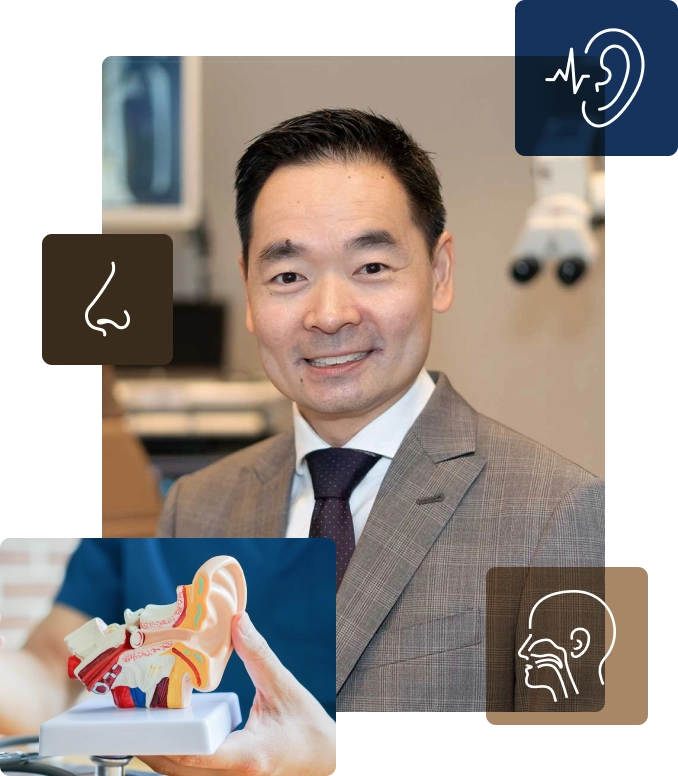
Dr Barrie Tan was the former Head of the Department of Otolaryngology (ENT) at Singapore General Hospital and has dedicated his career to improving his patients’ ENT health and quality of life.

Contact us for more information on OSA or to book an appointment.

How Is OSA Diagnosed

OSA is diagnosed through a comprehensive assessment of symptoms, medical history and physical findings. These may include:

Medical History Review
A detailed review of the patient’s medical history, including sleep habits, daytime symptoms and lifestyle factors, can provide important clues for diagnosis.

Physical Examination
Our ENT doctors may examine the throat, neck, and mouth for any anatomical abnormalities or enlarged tissues that may be obstructing the airway.

Home Sleep Study (HST)
Using portable devices at home to monitor breathing patterns, oxygen levels and heart rate during sleep. HST is convenient and can provide initial data for diagnosing obstructive sleep apnea.

Polysomnography (PSG)
For some, we will conduct a polysomnography (PSG), which is an overnight sleep study in a sleep lab. During this, your specialist will monitor physiological parameters such as brain activity, eye movements, heart rate, blood pressure and respiratory effort.

Oximetry
Overnight oximetry measures blood oxygen levels continuously during sleep to detect drops that suggest apnea episodes.

How We Choose The Test
We start with your symptoms and two short questionnaires. Most adults do a home sleep test. A sleep lab study is used if the case is complex, you have other medical issues, the home test is unclear, or before surgery. Your report shows AHI, the number of breathing pauses per hour and ODI, the number of oxygen dips per hour.

OSA Treatment Options

There are various treatment options to manage and alleviate OSA symptoms. From lifestyle changes and medical devices to surgical interventions, there is a range of options available for you:

Lifestyle Weight Management
Weight loss among obese or overweight individuals can reduce airway pressure. For adults with obesity, medication-assisted weight loss can also reduce OSA severity. Along with weight management, exercise, limiting alcohol intake before bedtime, positional strategies, and myofunctional therapy, these strategies may help selected patients maintain airway stability during sleep.

Positional Therapy
Sleeping on one’s back can worsen OSA symptoms. Training to sleep on the side may help keep the airway open.

Customised Oral Devices and Appliances
Devices reposition the lower jaw and tongue to keep the airway open during sleep. This is beneficial for mild to moderate OSA or those intolerant of CPAP. Devices are fitted and titrated with our dental partners, with a repeat sleep study to confirm benefit.

Nasal Decongestants
Medications or nasal sprays alleviate nasal congestion and improve airflow through the nasal passages.

Continuous Positive Airway Pressure (CPAP) Therapy
This machine blows air through a mask worn during sleep to keep airways open and is often the most effective treatment for moderate to severe OSA. We help you choose between nasal, nasal-pillow, or full-face masks, and adjust humidifier and ramp settings, fix leaks, and desensitise by wearing the mask while relaxing before bed.

Surgery
If non-surgical treatment options don’t work, doctors may recommend surgery. There are various surgical options to remove or reduce tissues blocking the airway, such as uvulopalatopharyngoplasty (UPPP), removal of tonsils or adenoids or more complex procedures like maxillomandibular advancement (MMA).

Children and OSA

Small changes can make a significant impact on children with OSA. In children, enlarged tonsils and adenoids are common causes of OSA and can affect behaviour, school performance and growth. Assessment and, if necessary, adenotonsillectomy are considered after a sleep study. Early care helps families get healthy sleep back for both children and adults.

paediatric OSA

Schedule an Appointment with Our OSA Specialist

Prevention and Daily Living

When you protect your sleep, you protect your health. Keep a regular schedule, maintain a healthy weight, avoid alcohol and sedatives close to bedtime and treat nasal allergies promptly. Regular reviews help maintain benefits and catch changes early.

Frequently Asked Questions (FAQs)

If left untreated, OSA can lead to serious health problems such as high blood pressure, heart disease, stroke, type 2 diabetes and cognitive decline. It can also cause chronic fatigue, poor work performance and a higher risk of accidents.

Yes. OSA (Obstructive Sleep Apnea) is classified as mild, moderate or severe, based on the Apnea-Hypopnea Index (AHI). The AHI measures how often breathing pauses occur per hour during sleep:

  • Mild OSA: 5 to 14 pauses per hour
  • Moderate OSA: 15 to 29 pauses per hour
  • Severe OSA: 30 or more pauses per hour

See an OSA specialist if you experience loud snoring, gasping or choking at night, daytime sleepiness despite a full night’s sleep, or morning headaches and poor focus. If your partner notices you stop breathing during sleep, book a check-up promptly.

OSA sleep clinics in Singapore usually provide two types of tests: a home sleep test (HST) and a sleep lab study (polysomnography). Your doctor will recommend the most suitable option based on your symptoms. Results are typically ready within a few days.

Yes. Medisave can be used for approved surgical treatments, such as tonsillectomy, nasal surgery or procedures to open the airway. Your clinic in Singapore can confirm your eligibility and guide you through the claims process.

During your initial visit, you will undergo a thorough clinical evaluation. Your doctor will carefully review your overall health, sleep symptoms, and any dental or jaw-related issues that might affect your breathing while you sleep. They will likely ask about snoring, fatigue, previous treatments or jaw discomfort to build a complete picture.

Our Obstructive Sleep Apnea Doctor

Dr Barrie Tan

Senior Consultant ENT Specialist
MBBS (Singapore), MMed (ENT) (Singapore)
MRCS (Edinburgh, UK), FAMS (Otolaryngology)

Dr Barrie Tan is a dedicated ENT specialist with over 20 years of experience and a keen focus on hearing loss and cochlear implants, among others. Prior to setting up his own practice, Dr Tan was the Head of the ENT Department at the Singapore General Hospital (SGH) – the largest ENT department in Singapore – as well as the Director of the Centre for Hearing and Ear Implants at SGH. 

Dr Tan was a President’s Scholar and completed his subspeciality Fellowship in Otology, Hearing Implant, Neurotology and Skull Base Surgery at the Ear Science Institute in Australia. Today, Dr Tan remains actively involved in the ENT fraternity, holding several leadership positions and being engaged in the nurturing of the next generation of ENT surgeons. He has organized numerous ENT conferences and continues to devote his time towards meaningful volunteer work and medical missions.

Dr Barrie Tan, Senior Consultant ENT Specialist