

Many individuals often overlook the limitations of their hearing abilities, primarily because they are unaware of the sound intensity thresholds their ears can safely tolerate. Excessive exposure to noise can potentially damage delicate inner ear structures. This can include loud noises in a work environment or during recreational activities, such as attending concerts or listening to high-volume music.
Sometimes, this damage develops into a condition known as noise-induced hearing loss (NIHL). In Singapore, noise-induced hearing loss is a major contributor to occupational diseases, thus making it a significant ENT concern.
Understanding Noise-Induced Hearing Loss
Noise-induced hearing loss (NIHL) is a form of sensorineural hearing loss that develops from exposure to repeated or intermittent loud noises exceeding 85 decibels. It typically occurs when the cochlea—the delicate hair cells in the inner ear responsible for transmitting sound signals to the brain—become damaged or die off due to chronic noise exposure. Once these hairs and inner ear structures are damaged, they cannot regenerate.
Two Types of Noise-Induced Hearing Loss
- Acute NIHL: This type of NIHL occurs when the inner ear is suddenly damaged following a single traumatic event, such as an explosion. It may lead to immediate and permanent hearing loss, often accompanied by pain or a feeling of fullness in the ears.
- Chronic NIHL: This develops gradually over time due to continuous exposure to moderately loud noise from occupational hazards or from extended recreational activities. Symptoms may not manifest immediately; it may take weeks, months, or even years for individuals to notice changes.
What Are the Causes of Noise-Induced Hearing Loss?
Noise-induced hearing loss is caused by several familiar loud noise sources, such as:
- Occupational Noise: Machinery and equipment in many occupations, such as construction and factory work, generate high noise levels. This prolonged exposure to high decibel levels can increase the risk of NIHL.
- Recreational Activities: Exposure to loud sounds from leisure activities, such as attending concerts, visiting clubs, or listening to music at high volumes (primarily through personal audio devices), can cause gradual hearing damage.
- Urban Noise Pollution: NIHL can develop from living in a noisy urban environment or from exposure to loud traffic, sirens, or public transportation, such as the MRT.
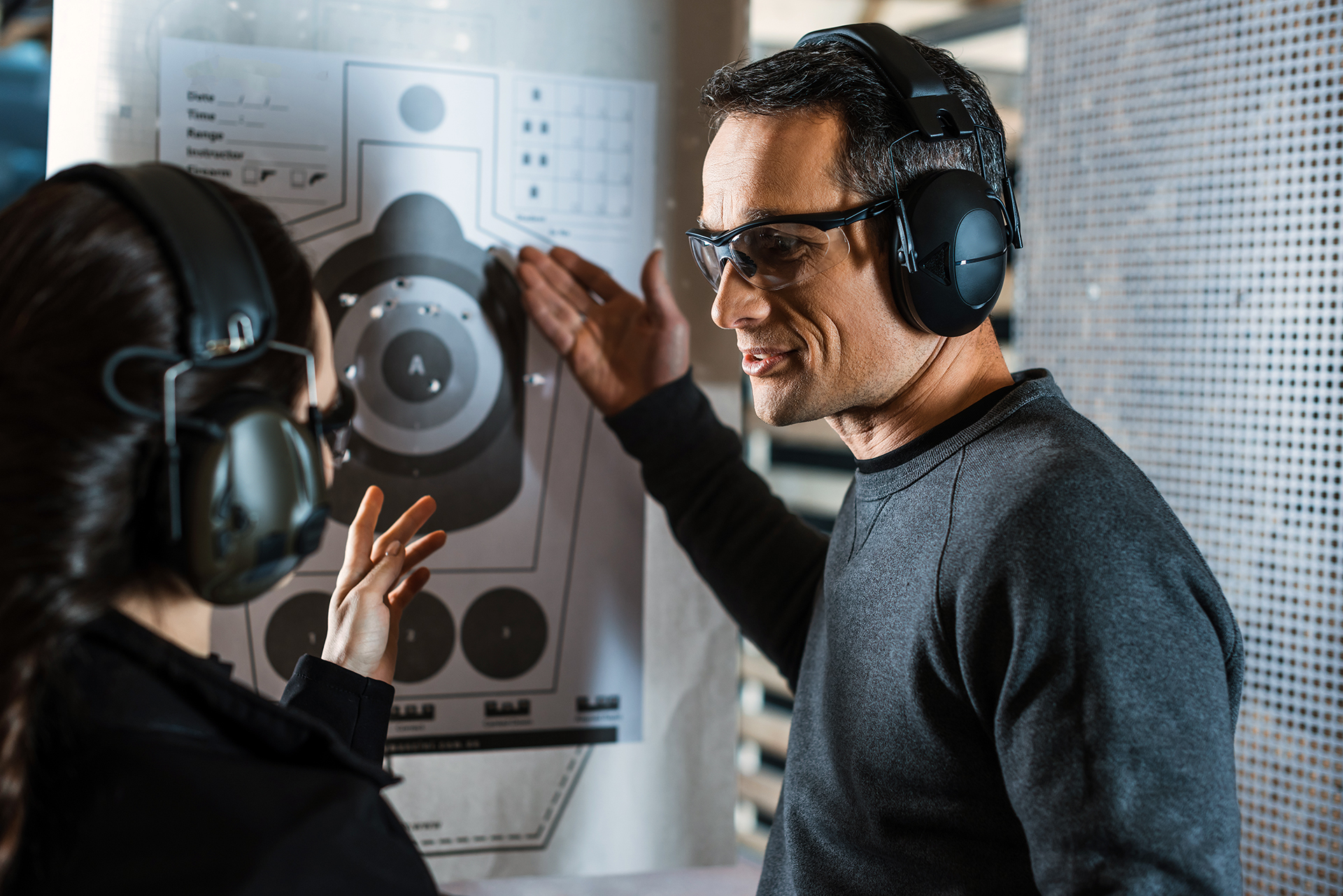
Symptoms of Noise-Induced Hearing Loss
The symptoms of NIHL may appear immediately after exposure to very loud noise or develop gradually over time, often going unnoticed until hearing loss becomes more severe.
Some common signs and symptoms of NIHL include:
- Difficulty hearing high-pitched or soft and faint sounds
- A feeling of fullness or pressure in the ear
- Muffled or distorted speech, particularly in noisy environments
- Tinnitus (ringing or buzzing sounds in the ears)
- Gradual loss of hearing sensitivity
How Is Noise-Induced Hearing Loss Diagnosed?
Diagnosing noise-induced hearing loss often starts with an assessment of the patient’s history, including noise exposure patterns, symptom timeline, and medical history. Following this evaluation, an ENT specialist will look for any structural problems or earwax buildup that could exacerbate hearing loss.
Moreover, the ENT specialist may conduct specialised hearing tests, which typically include:
- Speech Discrimination Test: This test evaluates the patient’s ability to hear and understand speech at varying volumes and in the presence of background noise, helping assess the impact of hearing loss on communication.
- Pure Tone Audiometry: This test measures hearing sensitivity across different frequencies to determine the degree and type of hearing loss.
- Tympanometry: This test assesses the movement of the eardrum in response to changes in air pressure, helping detect middle ear issues such as fluid buildup or eustachian tube dysfunction.
- Otoacoustic Emission Test: This test evaluates sound emissions produced by the cochlea in response to auditory stimuli, providing insights into cochlear function and outer hair cell activity.
Treatment Options for Noise-Induced Hearing Loss
While noise-induced hearing loss is generally irreversible, various treatment options can help manage symptoms and improve auditory comprehension. Treatment options for NIHL include:
- Medication Management: An ENT specialist may prescribe corticosteroids to alleviate discomfort, particularly in acute cases.
- Hearing Aids: Managing NIHL primarily involves the use of hearing aids, which amplify sound for improved acoustics, particularly for those with mild to moderate hearing loss. There are many types of hearing aids, including those worn behind the ear or in the ear.
- Cochlear Implants: For individuals with significant high-frequency hearing loss, the ENT specialist may recommend a cochlear implant. This surgically implanted device bypasses the damaged portions of the ear and transmits sound signals directly to the auditory nerve, restoring or improving hearing.
How Is Noise Defined? Is It Subjective?
Noise is defined as an unwanted sound or a combination of sounds that has adverse effects on health. These effects may manifest as psychological damage or physical harm. Noise may be subjective in that a sound or combination of sounds may not be annoying to one person. Still, it may be for another person, thereby resulting in psychological or bodily adverse effects. However, loud sounds are generally accepted as noise by all individuals, as they have been demonstrated to cause hearing damage.
The unit of sound intensity is the decibel. Examples of typical sound intensities are as follows:
| dB | Activity |
|---|---|
| 0 | Threshold of hearing |
| 10 | Rustle of leaves, a quiet whisper |
| 20 | Average whisper |
| 20–50 | Quiet conversation |
| 40–45 | Hotel, theatre between performances |
| 50–65 | Loud conversation |
| 65–70 | Traffic on a busy street |
| 65–90 | Train |
| 75–80 | Factory noise (light/medium work) |
| 90 | Heavy traffic |
| 90–100 | Thunder |
| 110–140 | Jet aircraft at takeoff |
| 130 | Threshold of pain |
| 140–190 | Space rocket on takeoff |
*The following is a list of decibel intensities taken from Encarta 2005.
Merely measuring the physical intensity of the stimulus, as a sound pressure level, cannot assess the potentially damaging effects of noise. The human ear does not respond equally to all frequencies—high frequencies are much more harmful than low frequencies at the same physical intensity levels.
Consequently, most sound level meters are equipped with a filter that is designed to de-emphasise the physical contribution from frequencies to which the human ear is less sensitive. This filter is referred to as the A filter, and measurements taken with it are reported in dBA. This is known as the A level on a sound pressure meter.
When Do Noises/Sounds in the Environment Cause an Impact on a Person’s Health?
Noise is defined as an unwanted sound or a combination of sounds that has adverse effects on health. Excessive noise intensity or duration can impact a person’s health. Chronic exposure to loud noises results in a common type of hearing loss known as Noise-Induced Hearing Loss, which primarily affects the higher frequencies. It may also lead to tinnitus (ringing in the ears). These are due to the harmful effects of the loud sounds on the hearing organ (cochlea) over time.
The psychological effects of noise are usually not well characterised and often ignored. However, their impact can be equally devastating and may include hypertension (high blood pressure), tachycardia (fast heartbeat), increased cortisol (stress hormone) release and increased physiologic stress. Collectively, these effects can have severe adverse consequences for daily living and, globally, for economic production.
Studies have made the following associations with noise exposure. Exposure to noise, especially on a prolonged basis, may increase the risk of high blood pressure (hypertension). Children living in a noisy community had a poorer quality of life than those living in a quiet community.
Children in noisy environments also show decreased attention to tasks and lower performance on cognitive assignments compared to those in quiet environments. Furthermore, noise (traffic noise in this study) can significantly impair the reading ability and comprehension, as well as basic mathematical performance in children.
Noise can also cause many deleterious effects on sleep. It can cause frequent early morning awakenings8. The time taken to fall asleep can increase by up to 20 min at peak noise levels of 45 dB9.
Chronic noise exposure also increases fatigue symptoms and post-work irritability, making relaxation and unwinding extremely difficult.
When Does Noise Become Harmful?
Noise-induced hearing loss (NIHL) is generally defined as hearing loss that develops slowly over a long period of time (several years) as a result of exposure to continuous or intermittent loud noise. Constant exposure to sounds greater than 85 dB for 8 hours has been shown to cause NIHL.
This typically affects the high-frequency hearing rather than the low-frequency hearing. The cells in the hearing organ (cochlear nerve) are permanently damaged with such chronic exposure to loud noise. Noise-induced hearing loss can take years to develop, often 10 years or more before significant hearing loss occurs.
When hearing loss is limited to the high frequencies, individuals are unlikely to have difficulty in quiet conversational situations. The first difficulty the patient usually notices is difficulty understanding speech when the background noise is high. As NIHL progresses, individuals may have difficulty understanding high-pitched voices (e.g., women’s and children’s) even in quiet conversational situations. Telephone conversations are generally unimpaired because telephones do not use frequencies above 3000 Hz.
Exposure to loud noise over short durations of a few hours may also cause temporary hearing loss, a condition called a Temporary Threshold Shift (TTS). It may also cause temporary tinnitus (ringing sound in the ear).
Finally, there is hearing loss due to Acoustic Trauma. Acoustic trauma is due to one-time, brief exposures followed by immediate, permanent hearing loss. The sound stimuli generally exceed 140 dB and are often sustained for less than 0.2 seconds. Such loud sounds over such a brief period (called impulse noises) can damage the eardrum and the small bones of the ear used for hearing, and can also directly damage the cells of the hearing organ (cochlea) itself. Examples of impulse noise include explosions and gunfire.
Recent studies suggest that some people are genetically predisposed to hearing loss due to Noise exposure. Obviously, those in occupations that regularly expose them to loud noise will be susceptible to noise-induced hearing loss. Occupational noise accounts of 16% of the disabling hearing loss in adults worldwide, resulting in decreased economic production.
A few local studies conducted in Singapore highlight the prevalence and severity of noise and noise-induced hearing loss. A survey of employees at local discotheques revealed that they were all exposed to loud noise (at least 89 dB (A) Leq) throughout their shifts and had a statistically significantly higher prevalence (41.9%) of hearing loss than the control (normal) group (13.5%). 21% of the employees also had tinnitus ( ringing sound in the ear) compared to only 2.7% in the control group.
In another study of our young Singaporean men enlisting for National Service, they found that the relative risk of hearing loss is higher among subjects with frequent discotheque visits than among those who never visit.
Another study showed that Noise-Induced Deafness or Hearing Loss is the leading occupational disease in Singapore, with 500 new cases of noise-induced deafness (NID) detected by the Department of Industrial Health (DIH) each year. The main jobs at risk were grit blasters, steelworkers, fitters, boiler fabricators, panel beaters, and carpenters.
Another local study found a prevalence of 23.3% for tinnitus (ringing in the ears) among workers exposed to noise.
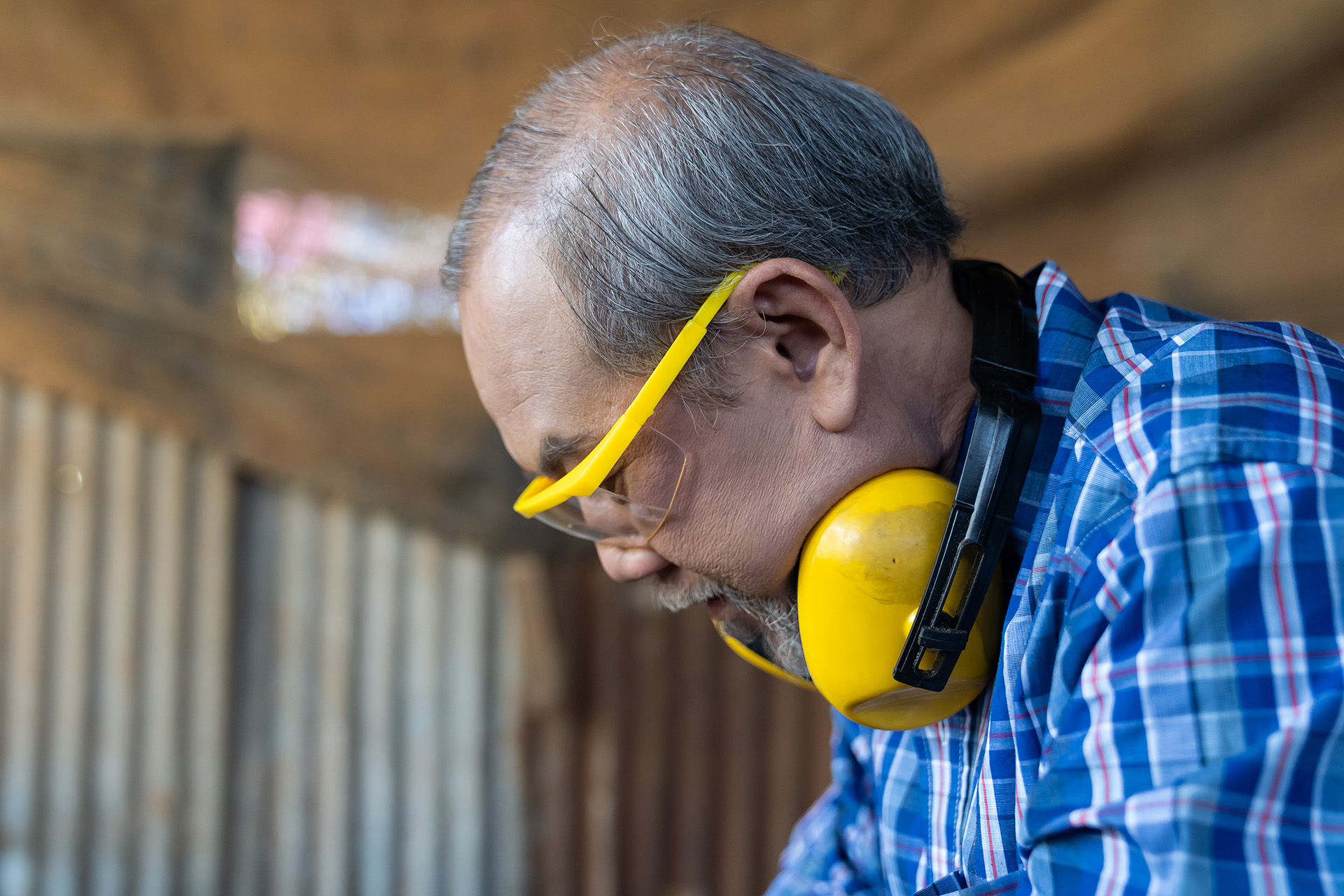
What Can a Person Do to Prevent This from Happening?
Hearing protection and monitoring are vital to prevent noise-induced hearing loss. This can be instituted at the systemic level in the workplace, as well as at the individual level.
Every noisy workplace should establish an in-plant Hearing Conservation Programme (HCP) that includes periodic audiometric examinations of workers. In Singapore, since 1985, workers in many noisy workplaces are required to undergo statutory pre-employment and annual audiometric examinations arranged by their employers. The examinations are conducted by Designated Factory Doctors who have completed a training course in occupational health and are registered with the Labour Ministry.
The doctors’ role includes advising workers and employers on preventing noise-induced deafness (NID). Doctors notify cases of NID to the Ministry of Labour, which conducts investigations where indicated. Since NID is insidious, workers with the condition would not be detected in the early stages without an audiometric examination.
With the introduction of statutory examinations, more noise-exposed workers were examined, and cases of early hearing impairment were identified. The statutory medical examinations have highlighted the noise hazard. Individual companies can monitor noise in their workplaces using audiometric results to supplement noise assessments. Susceptible workers can be identified and followed up more closely, and health education can be intensified.
Hearing conservation programs will be necessary if workplace noise exceeds 85 dBA. The following are some measures employed:
- Noise levels must be posted in work areas
- Baseline audiometry (hearing test) and regular audiometry (yearly)
- Training on the effects of noise, the purpose of audiometric testing, and the use of hearing protective devices
If exposure to loud environmental noises cannot be avoided, hearing protection should be used. Unfortunately, enforcement has been sporadic. HPDs vary considerably in their effectiveness, comfort, and cost. The following information should be taken into consideration when considering HPDs:
Only devices that are designed for hearing protection and tested for efficacy should be used. Items such as cotton, tissue paper, and expended cartridge casings provide no meaningful noise attenuation.
Earplugs are available with attenuation levels ranging from 10 dB to 32 dB. They can be purchased over the counter or custom-made. Earplugs can be as effective as earmuffs. However, earplugs are effective only when properly inserted. When earplugs are improperly inserted, noise attenuation may be eliminated or significantly reduced. Earplugs are handy when noise exposure is continuously sustained.
Earmuffs can provide as much attenuation as earplugs. An advantage of earmuffs is that they are easy to place correctly: whether they are properly inserted or installed is not an issue. Earmuffs are especially useful when noise exposure is relatively intermittent.
Runway workers may need to put on and take off earmuffs many dozens of times a shift. These workers would not likely put earplugs in and out that frequently; if they did, many of those installations would probably be imperfect.
Earmuffs that permit normal hearing in the absence of a loud noise are now available. The muffs detect loud noise and attenuate it before it reaches the human ear. The most effective ear protection is the ear protection the person is willing to wear.
Schedule an Appointment with a Hearing Specialist
Noise-induced hearing loss cannot be reversed, but it is preventable with the right strategies, such as wearing hearing protection and limiting noise exposure. In addition, routine hearing check-ups are very helpful for monitoring your auditory health and detecting potential issues early.
If you are experiencing hearing problems and suspect you may have NIHL, call our clinic at 6738 1616. Get a comprehensive hearing evaluation with our ENT specialist today.