
Some people mistakenly believe all types of sleep apnea are alike. In truth, there are two primary types of sleep apnea: obstructive sleep apnea (OSA) and central sleep apnea (CSA). While a physical airway collapse causes obstructive sleep apnea, central sleep apnea is a brain-driven problem with the breathing control centre.
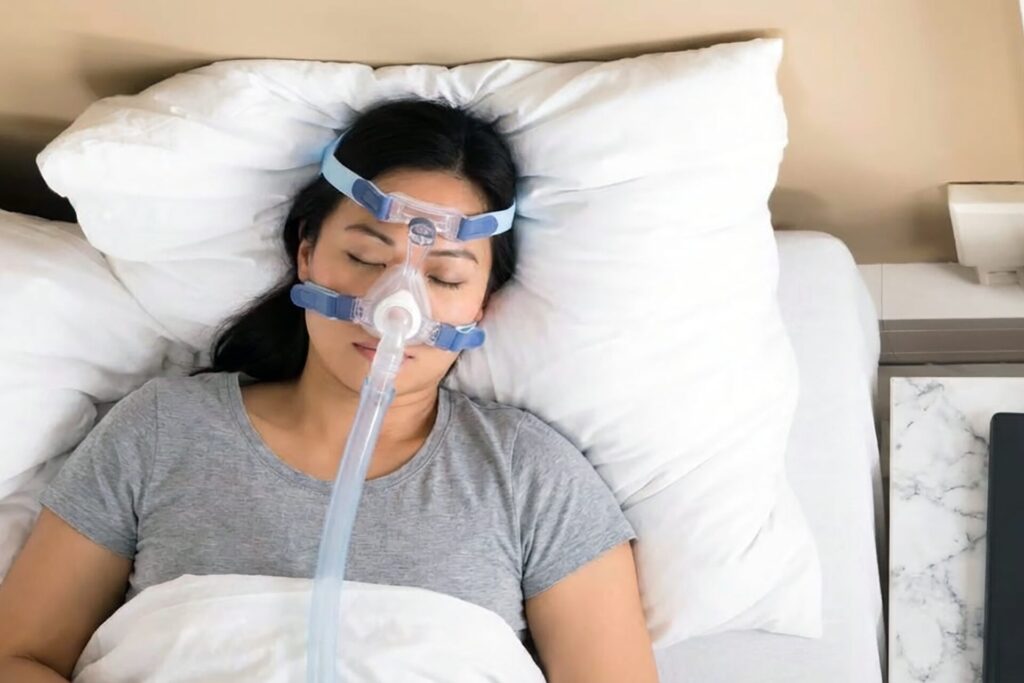
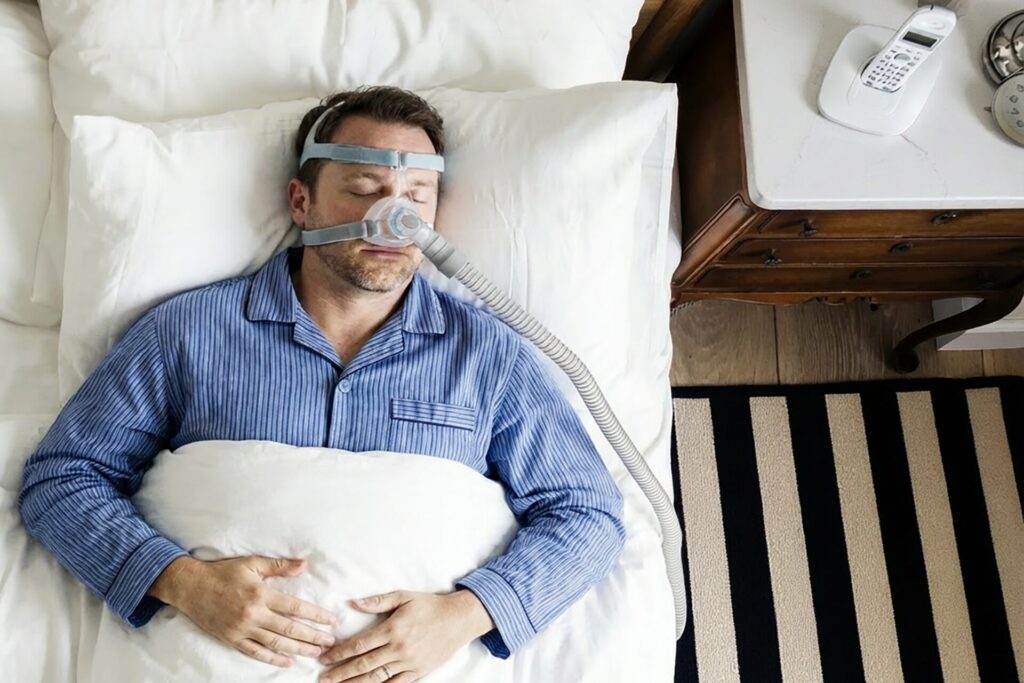
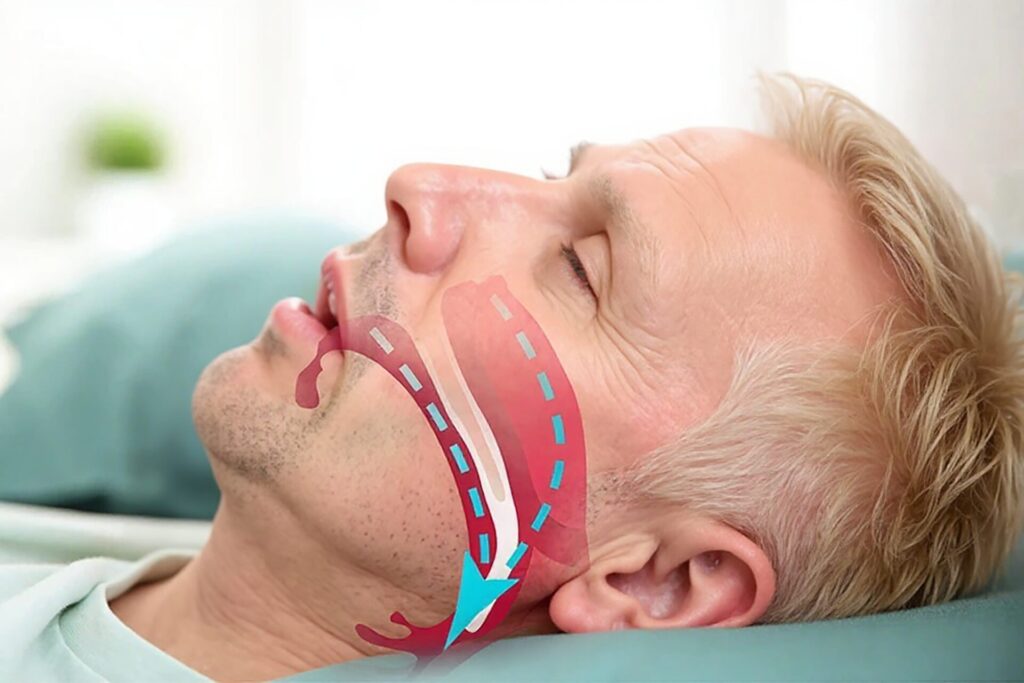
Obstructive sleep apnea occurs when the tissues of the nose, soft palate, tongue base or epiglottis narrow the airway during sleep, blocking airflow and causing loud snoring or gasping.
Central sleep apnea occurs when the brain’s respiratory control system becomes unstable, leading to breathing pauses or shallow breathing despite an open airway. During a CSA, the person may stop breathing completely for several seconds.
Understanding the differences between obstructive and central sleep apnea, including the detection of obstructive and central apnea events and the role of respiratory effort, is the first step toward choosing the appropriate test and therapy.
Causes and Risk Factors
The causes and risk factors for sleep apnea depend on the type of sleep disorder.
Obstructive sleep apnea is most commonly linked to excess body weight, large neck circumference and anatomical factors that contribute to upper airway obstruction. Health conditions such as hypertension and diabetes can also increase the risk of developing obstructive sleep apnea.
Central sleep apnea is often associated with underlying medical issues like heart failure, neurological disorders and high altitude.
Additional risk factors for both types of sleep apnea include older age, male sex, family history and lifestyle habits such as smoking and alcohol use.
Knowing these risk factors is key to preventing and treating sleep apnea. Simple changes like losing weight, avoiding sleeping on your back, and managing chronic health conditions can reduce the risk of obstructive sleep apnea and improve overall sleep health.
What Are the Symptoms?
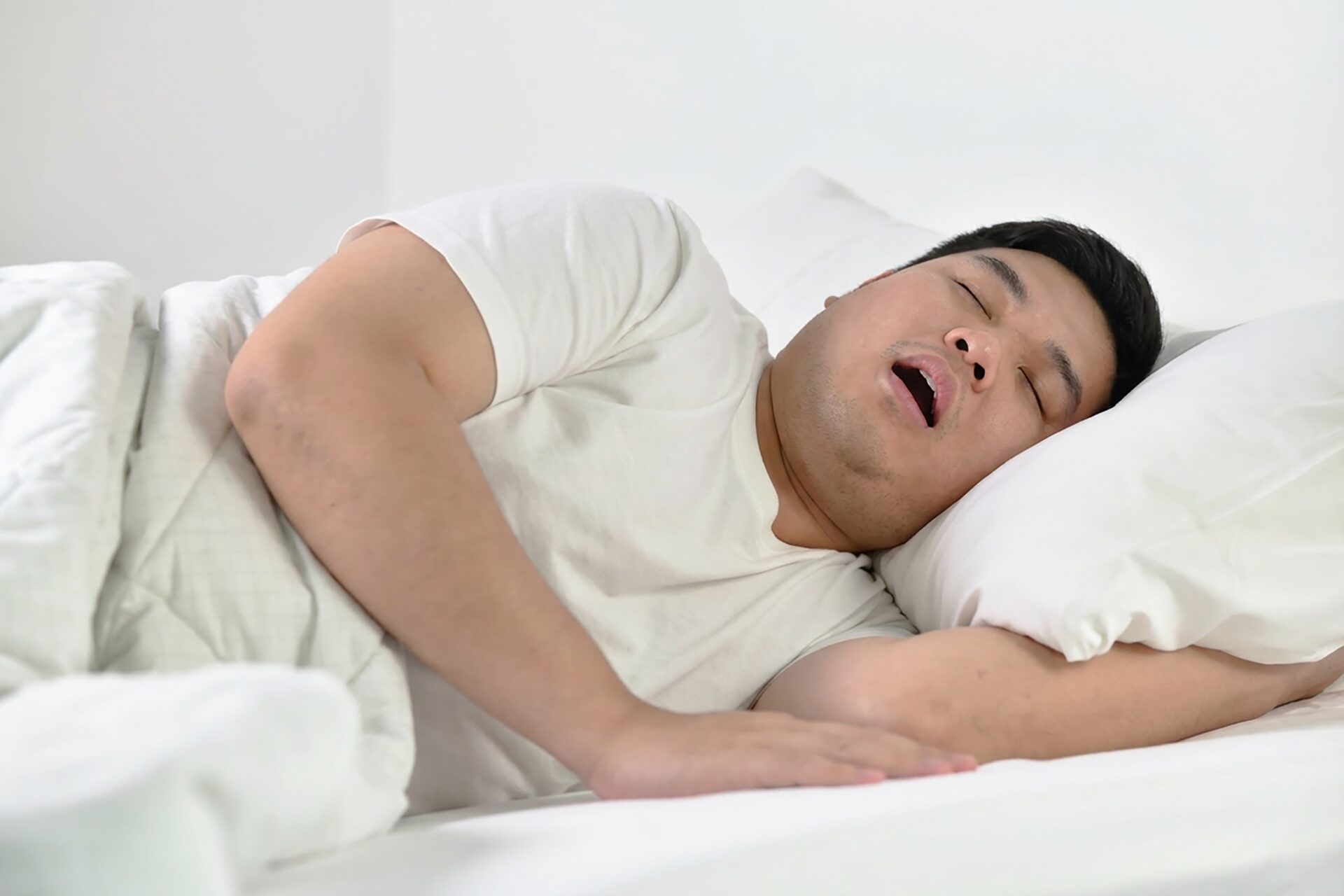
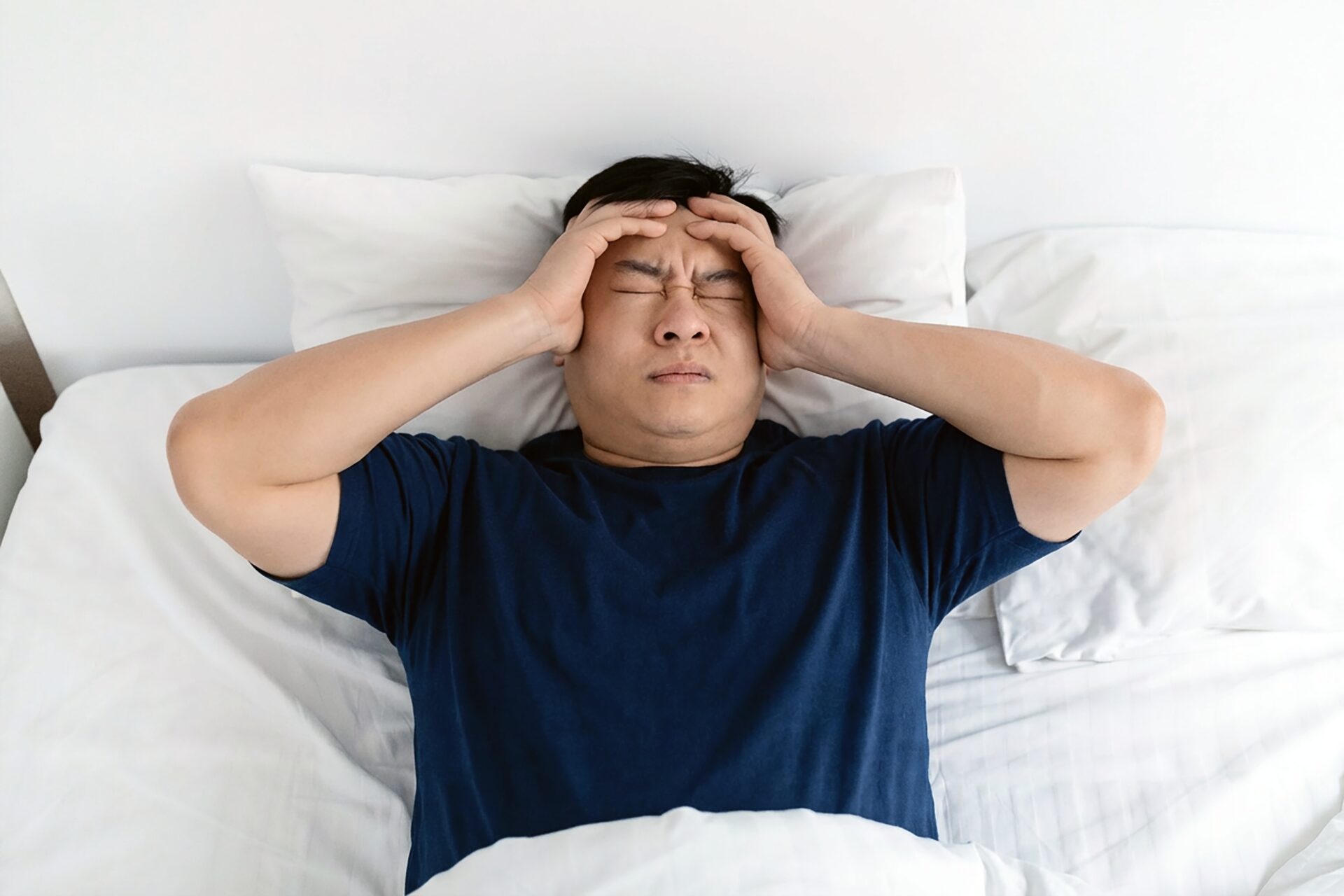
Both apneas disturb sleep and daytime function, but OSA is noisy, and CSA is quiet and subtle. People with OSA snore loudly, choke or gasp at night, wake with a dry mouth and morning headaches and feel unrefreshed despite a whole night in bed. Partners may witness pauses that end with a snort.
Central sleep apnea symptoms can mimic those of obstructive sleep apnea, making diagnosis challenging for healthcare providers. CSA may present with quiet pauses, fragmented sleep and breathlessness out of proportion to snoring, which can lead to insomnia-like complaints. Daytime effects overlap and include fatigue, reduced focus, irritability and low mood. Some patients have mixed apneas, in which both central and obstructive events appear.
When to See an ENT Specialist
See an ENT specialist if you snore, stop breathing during sleep, or have nasal congestion or a crowded throat.
You should also book an evaluation if you have high blood pressure that is hard to control, atrial fibrillation, Type 2 diabetes or daytime sleepiness that affects driving and work. It’s essential to assess underlying sleep apnea to ensure the root cause of your symptoms is identified and the most appropriate treatment is provided. An experienced ENT, such as Dr Barrie Tan, will examine your upper airway, coordinate appropriate sleep testing, and initiate evidence-based therapy promptly to reduce health risks.
Diagnosis of Central and Obstructive Sleep Apnea
Diagnosis combines history, targeted examination and sleep testing to separate type and severity. Your visit begins with a focused discussion of sleep patterns, nasal breathing, jaw position and throat anatomy, followed by a careful head and neck exam.
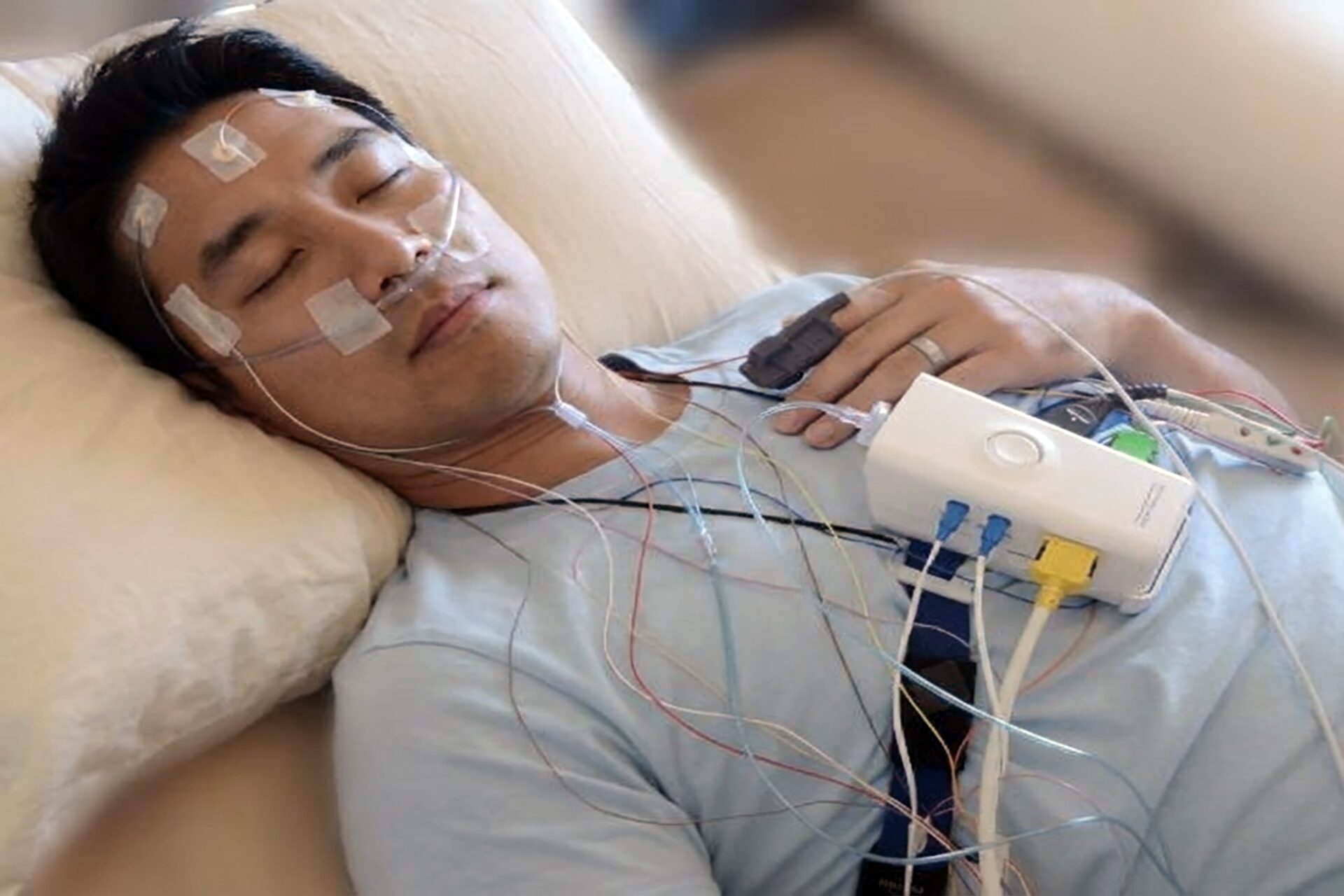
Sleep testing uses either a home sleep test or in-lab polysomnography to confirm the diagnosis and grade severity. The apnea hypopnea index (AHI) is calculated during these studies to classify the severity of obstructive sleep apnea, with an AHI of:
- 5-15 events per hour indicates mild sleep apnea
- 15-30 events per hour indicates moderate sleep apnea
- 30 or more events per hour indicates severe sleep apnea
When surgery is considered for OSA, drug-induced sleep endoscopy can map the exact level of airway collapse so treatment can be precise rather than speculative. This structured approach clarifies the distinction between central sleep apnea and obstructive sleep apnea and avoids one-size-fits-all decisions.